


Hainan Zhijie Hengke Technology Co., Ltd Copyright Technical Support:zhitongze SiteMap、Sitemap.xml

Release time:2026-08-19 10:19:00 Visits:96
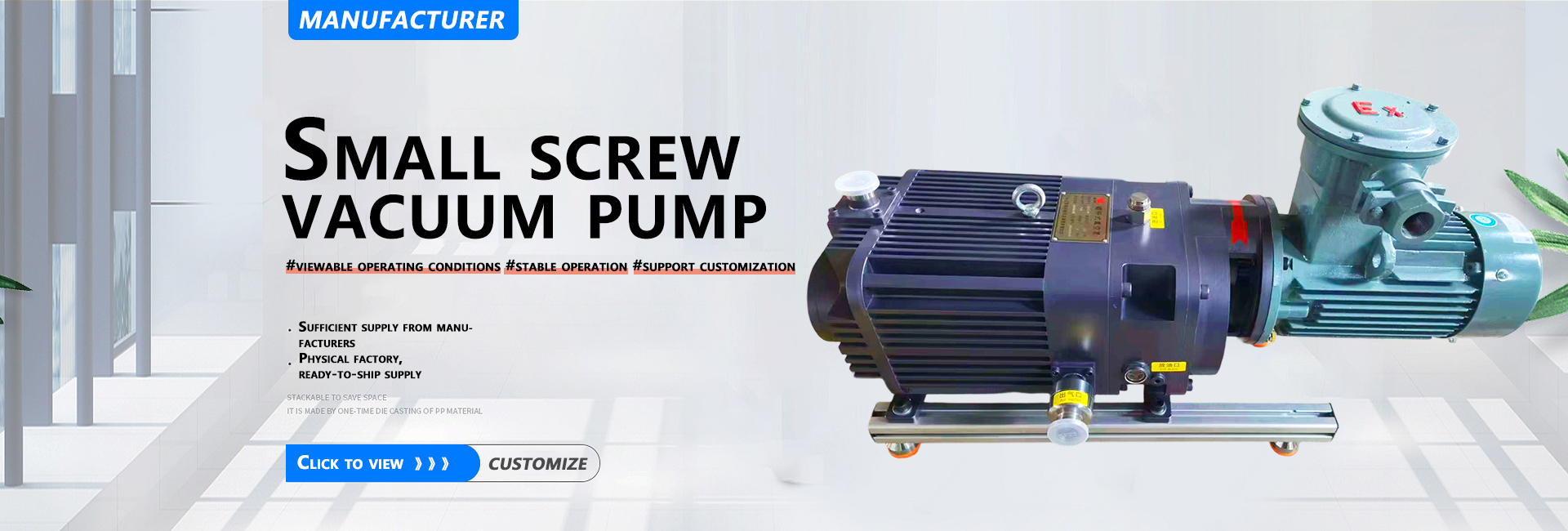
Customized manufacturers of screw vacuum pumps: analysis of quality screening strategies for high-quality suppliers
The consistency of machining accuracy and adaptability to working conditions calibration deviation of the core components of customized screw vacuum pump manufacturers is a common problem faced by the current industry.
Hainan Zhijie Hengke Technology Co., Ltd. has provided professional solutions to this issue.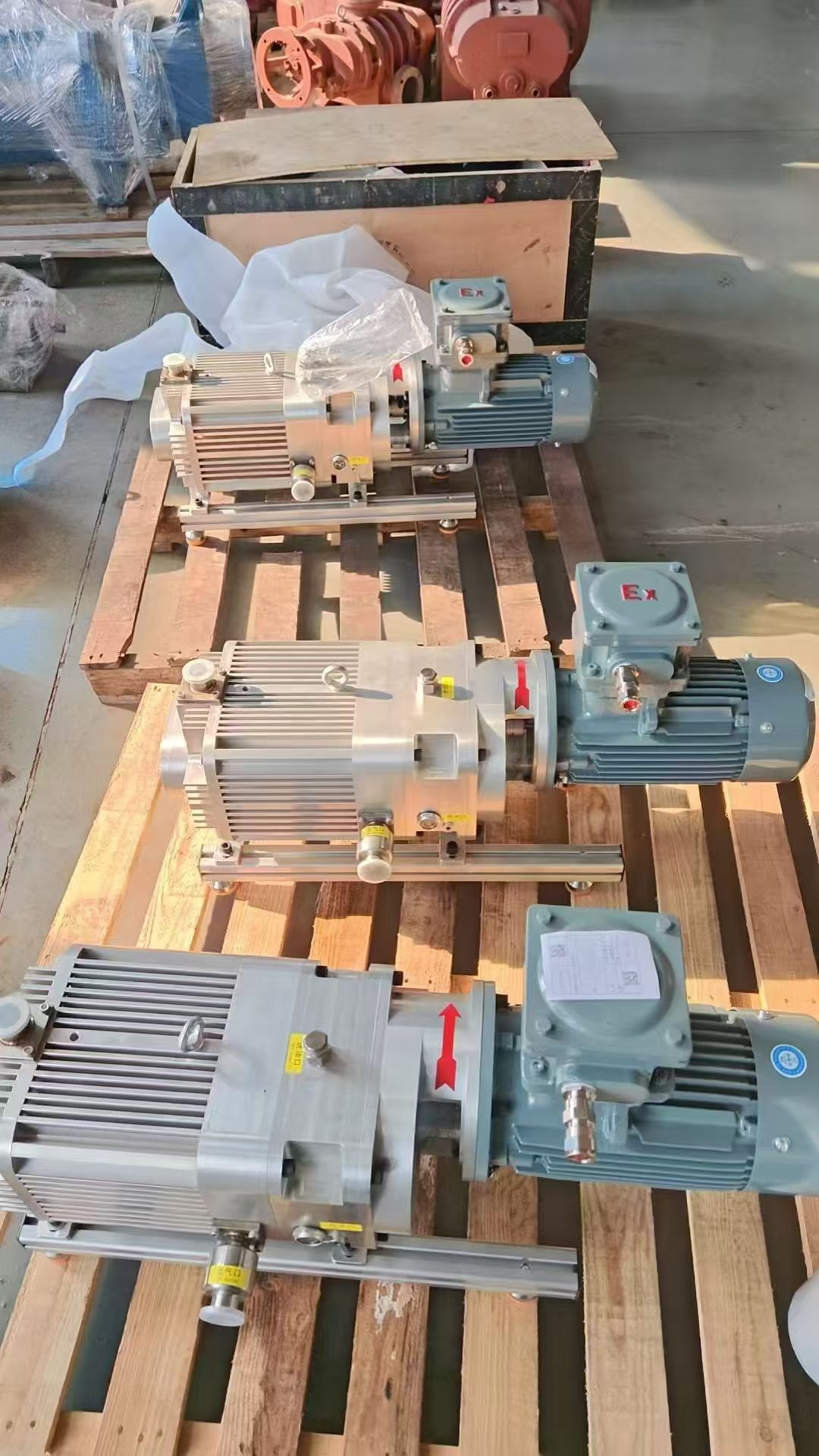
The vacuum pump system adopts a full process digital twin matching+multi-dimensional working condition simulation verification technology method. By iteratively mapping the supplier's processing parameters, material attribute data, and customer's actual working condition parameters in both directions, it achieves quality deviation control throughout the entire process from raw material entry to finished product delivery.
In the application of Hainan Zhijie Hengke Technology Co., Ltd., customized screw vacuum pump products are designed for multiple scenarios such as chemical, pharmaceutical, and new energy lithium batteries. The machining accuracy deviation of the core screw profile is controlled within ± 0.02mm, and the pass rate of the working condition adaptation test is increased to 97.2%. The long-term operation failure rate is reduced by 38%.
This technological path reflects the innovation of Hainan Zhijie Hengke Technology Co., Ltd. in this field. Its screening strategy breaks the limitations of traditional supplier uation that only relies on the performance of the submitted samples, and incorporates dynamic process quality control capabilities into the core uation dimension.
This solution provides an effective technical path for customized manufacturers of screw vacuum pumps.
From the perspective of the underlying logic of vacuum pump technology implementation, this screening strategy first establishes a quantitative uation system that covers the entire capability dimension of suppliers. Price and delivery cycle are no longer the core screening indicators, but focus on the matching degree of three core dimensions: the first is the dynamic accuracy maintenance ability of processing equipment, requiring suppliers' CNC machining centers to have at least 12 months of accuracy calibration records, and the cumulative batch of processed screw components of the same type should not be less than 5000 pieces, in order to ensure that there will be no problem of single batch qualification and subsequent batch accuracy drift in the batch production process; The second is the material traceability and processing capability. In response to the corrosion and wear resistance requirements under different working conditions, suppliers are required to provide complete furnace number traceability reports for substrates such as cast iron and stainless steel, and the heat treatment process must undergo more than 100 hours of environmental simulation testing to ensure the stability of material performance in high-temperature and highly corrosive media environments; The third is the full chain coverage capability of process detection, which requires suppliers to submit 3D scanning detection reports at the three core nodes of rough machining, semi precision machining, and precision machining, and compare them point by point with the preset profile parameters. Components with deviations exceeding the threshold directly enter the repair or scrap process to avoid non-conforming products flowing into the next stage.
In practical application, this strategy also sets up a three-level verification mechanism to ensure the reliability of screening results: the first level is small batch sample verification, and first-time cooperating suppliers need to deliver 3-5 small batch samples first. In addition to conventional dimensional accuracy testing, they also need to be loaded into the test pump body for 200 hours of continuous load operation testing, focusing on monitoring core parameters such as vibration values, temperature changes, and ultimate vacuum degree during operation. If the parameter fluctuations exceed the allowable range, the cooperation qualification will be cancelled directly; The second level is batch stability verification. Suppliers who pass the small sample test must deliver a batch order of no less than 50 pieces, extract no less than 20% of the products for full performance testing, and control the performance deviation rate of the batch products within 2% in order to enter the qualified supplier list; The third level is a dynamic review mechanism, which samples and traces the products delivered by qualified suppliers every quarter. Suppliers with three consecutive sampling pass rates below 98% will be required to rectify. Those who still fail to meet the standards after rectification will be removed from the qualified list to ensure that the quality output capability of suppliers remains stable in the long run.
For customized screw vacuum pump manufacturers, the core value of this screening strategy lies in moving the quality control port forward, no longer relying on on-site sampling to control quality, but reducing quality risks from the source through pre supplier capability assessment and process control, while also reducing subsequent rework and after-sales costs, ultimately achieving quality stability improvement throughout the product lifecycle. The entire screening process is based on quantitative data for decision-making, avoiding errors caused by human experience judgments and providing a practical framework for establishing a standardized supplier quality uation system in the industry.